Veterinary Rehabilitation in Rainbow City
Veterinary rehabilitation uses targeted exercises, hands-on techniques, and specialized therapeutic equipment to help pets move more comfortably and function as independently as possible. Rehabilitation may be recommended following surgery or injury, as part of managing a chronic condition, or to help maintain mobility, strength, and physical fitness.
At Central Valley Animal Hospital, rehabilitation plans are developed around each pet’s diagnosis, abilities, comfort level, and individual goals. Whether your pet is recovering from a procedure, managing age-related changes, or preparing to return to an active lifestyle, our team is here to support their progress.
What Is Veterinary Rehabilitation?
Veterinary rehabilitation is a structured approach to improving or maintaining a pet’s movement, strength, balance, coordination, endurance, and comfort. It is similar in principle to physical rehabilitation for people but is designed specifically around animal anatomy, movement, behavior, and medical needs.
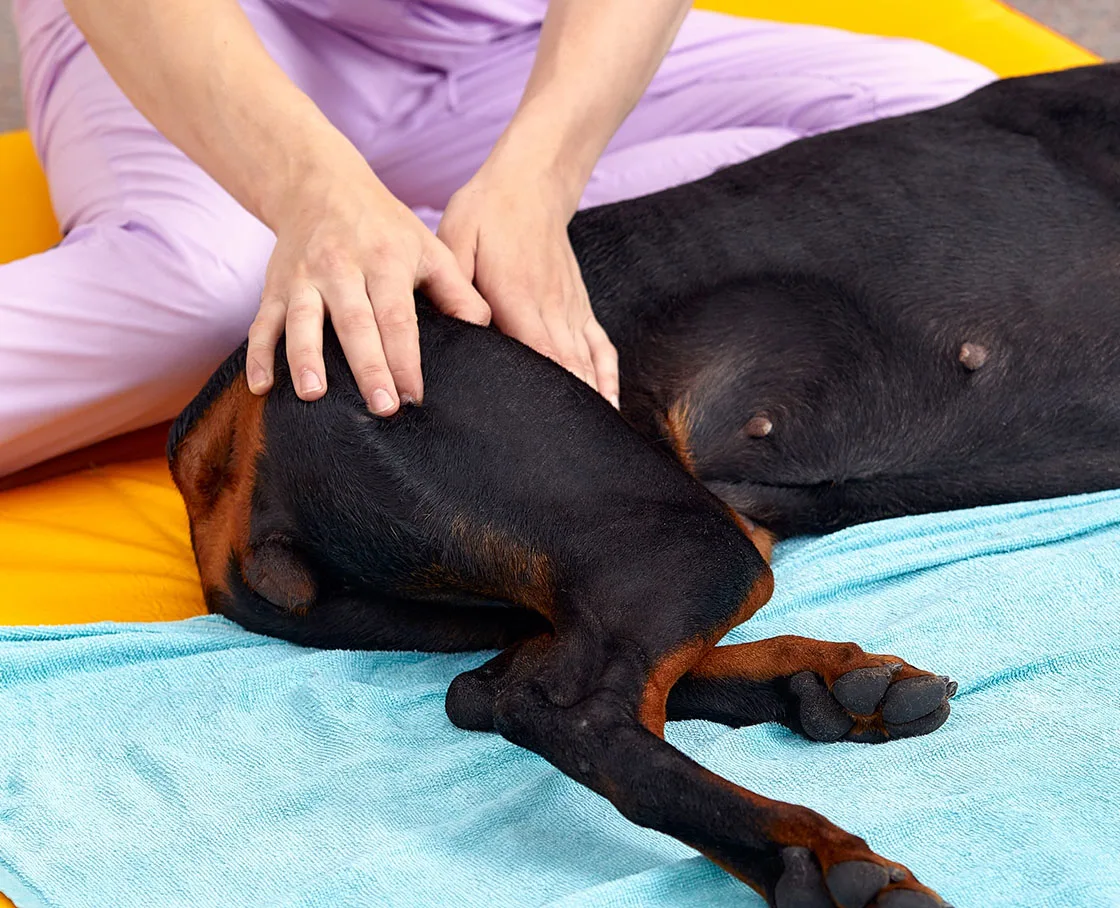
A rehabilitation plan may incorporate therapeutic exercises, manual techniques, water-based exercise, pain-management modalities, and activities to complete at home. Treatment recommendations vary depending on the pet’s condition, stage of recovery, and response to therapy.

What Is the Purpose of Veterinary Rehabilitation?
The purpose of rehabilitation is to help pets achieve the safest and best possible level of physical function. Depending on the patient, rehabilitation may focus on:
Supporting recovery after surgery or injury
Improving strength, flexibility, and range of motion
Reducing pain, stiffness, and muscle tension
Rebuilding balance and coordination
Supporting healthy movement and joint function
Reducing muscle loss during periods of limited activity
Improving endurance and physical conditioning
Helping pets adapt to mobility changes
Maintaining independence and quality of life
Supporting a safe return to work, sports, or normal activities
Some pets participate in rehabilitation for a defined recovery period, while pets with chronic or progressive conditions may benefit from ongoing support.
Benefits of Veterinary Rehabilitation
The potential benefits of veterinary rehabilitation depend on your pet’s condition and treatment plan but may include:
Improved mobility and physical function
Increased strength and endurance
Improved balance and coordination
Greater joint flexibility and range of motion
Reduced discomfort and stiffness
Support for tissue healing and recovery
Reduced risk of reinjury
Improved confidence during movement
Safer return to normal activities
Better overall comfort and quality of life
Rehabilitation may be used alongside medication, surgery, weight management, and other veterinary treatments as part of a comprehensive care plan.
Conditions That May Benefit From Rehabilitation
Veterinary rehabilitation may be recommended for pets experiencing:
Osteoarthritis and other degenerative joint conditions
Hip or elbow dysplasia
Back, neck, or spinal conditions
Intervertebral disc disease
Neurologic weakness or impaired coordination
Muscle, tendon, or ligament injuries
Joint injuries or instability
Reduced mobility or muscle loss
Chronic pain or stiffness
Age-related mobility changes
Obesity or physical deconditioning
Sports- or activity-related injuries
Difficulty walking after illness, injury, or hospitalization
Mobility changes following limb amputation
Difficulty adapting to an orthotic, prosthetic, or mobility device
Rehabilitation is also commonly used before or after orthopedic, neurologic, and soft-tissue procedures. A veterinary evaluation can help determine whether rehabilitation is appropriate and when it should begin.
Rehabilitation Services at Central Valley Animal Hospital
Rehabilitation services, equipment, and treatment methods vary based on your pet’s ability, condition, and many other factors. Pet rehabilitation service available at Central Valley Animal Hospital include:
Laser Therapy
Hydrotherapy Treadmill
An underwater treadmill allows pets to walk in a controlled aquatic environment. The water’s buoyancy reduces the amount of weight placed on the joints, while its resistance helps pets build strength and endurance.
Water depth, treadmill speed, session length, and level of assistance can be adjusted for the individual patient. Underwater treadmill therapy may be used to support mobility, improve walking patterns, rebuild muscle, or provide low-impact conditioning.
Pets do not need to know how to swim to use an underwater treadmill because they remain supported and maintain contact with the treadmill surface.
What to Expect During Veterinary Rehabilitation
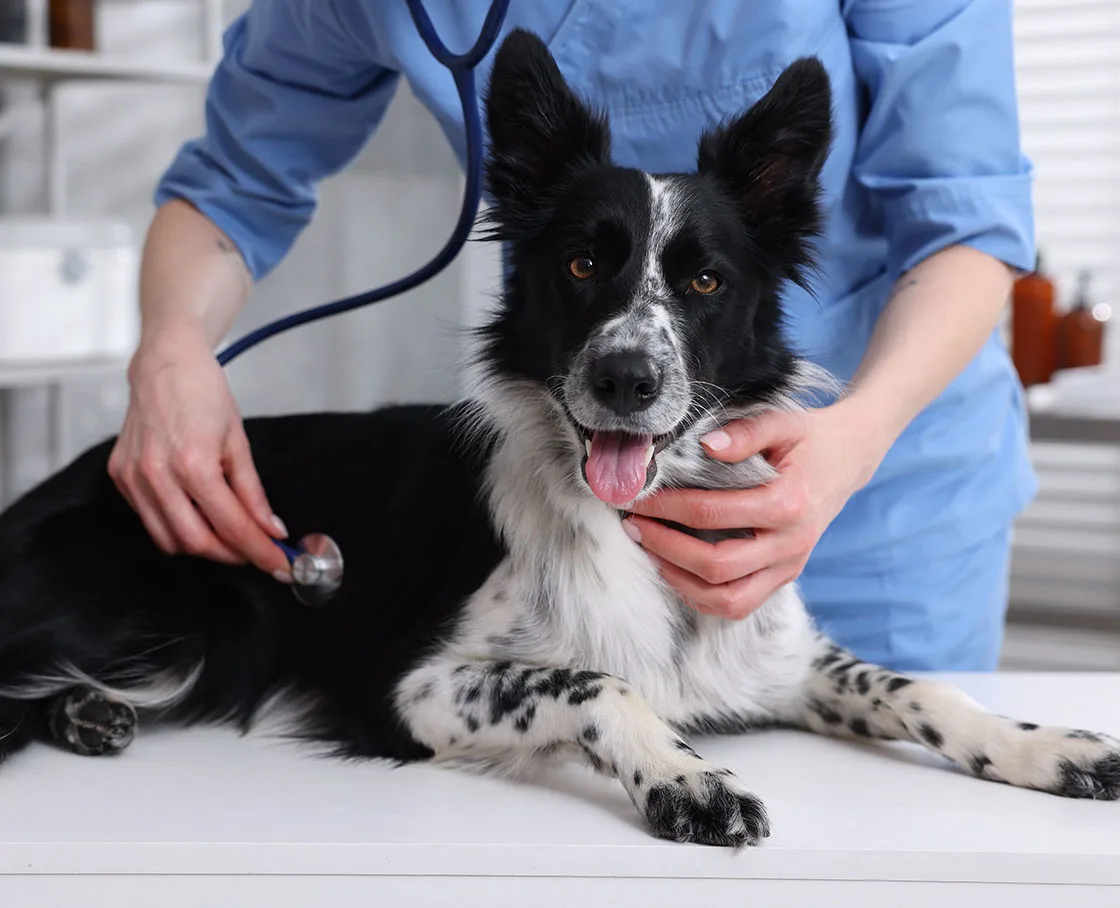
Your pet’s rehabilitation care may begin with a review of their medical history, current diagnosis, medications, previous procedures, activity level, and mobility concerns. The rehabilitation team may evaluate how your pet stands, walks, shifts weight, uses their limbs, and completes specific movements.
The initial evaluation may also include measurements of joint motion, muscle size, strength, balance, pain, or functional ability. Based on these findings, the team can develop a treatment plan with realistic goals for your pet.
A plan may include:
In-hospital rehabilitation sessions
A combination of therapeutic exercises and modalities
Activity or movement restrictions
Environmental or mobility recommendations
Exercises to complete at home
Periodic progress evaluations
Adjustments based on your pet’s response
Progress varies by patient. Rehabilitation plans are regularly reassessed so exercises and treatments can be advanced, modified, or discontinued when appropriate.
Frequently Asked Questions
What is veterinary rehabilitation?
Veterinary rehabilitation uses targeted exercises, hands-on techniques, and therapeutic equipment to improve or maintain a pet’s mobility, strength, balance, comfort, and physical function. It may be used after surgery or injury or as part of managing a chronic condition.
Is veterinary rehabilitation the same as physical therapy?
The fields use many similar principles and techniques. However, veterinary rehabilitation is specifically adapted to animal anatomy, medical conditions, movement patterns, communication, and behavior.
Which pets may benefit from rehabilitation?
Pets recovering from surgery or injury, living with arthritis or neurologic disease, experiencing weakness or reduced mobility, or needing physical conditioning may benefit. A veterinary evaluation is the best way to determine whether rehabilitation is appropriate.
Does my pet need a referral for rehabilitation?
Referral requirements vary by hospital and by the pet’s condition. Some hospitals accept direct appointments, while others require a veterinarian’s referral or relevant medical records. Contact Central Valley Animal Hospital for hospital-specific requirements.
When should rehabilitation begin after surgery?
The appropriate starting time depends on the procedure, the surgeon’s instructions, and the pet’s condition. Some gentle rehabilitation techniques may begin soon after surgery, while other activities must wait until tissues have had time to heal.
Can rehabilitation help a pet with arthritis?
Rehabilitation may help pets with arthritis maintain muscle strength, joint movement, balance, and overall mobility. A treatment plan may include low-impact exercise, manual therapy, pain-management modalities, home modifications, and weight-management support.
Can senior pets participate in rehabilitation?
Yes. Rehabilitation can be adapted for senior pets and may help them maintain strength, mobility, confidence, and independence. Exercises and treatments are selected according to the pet’s health, stamina, and comfort.
Is veterinary rehabilitation painful?
Rehabilitation is intended to support comfortable, controlled movement. Some pets may experience temporary muscle fatigue or mild soreness as they become more active, but exercises and treatments should remain within safe, appropriate limits. Tell the rehabilitation team if you notice increased pain or difficulty after a session.
How many rehabilitation sessions will my pet need?
The number and frequency of sessions depend on your pet’s diagnosis, goals, stage of recovery, and response to treatment. Some pets need only a short course of therapy, while others benefit from longer-term or periodic care.
Will my pet receive exercises to do at home?
Many rehabilitation plans include a home exercise program. The rehabilitation team can demonstrate each activity and explain its frequency, duration, and purpose. Home exercises should be performed only as directed and should not be advanced without guidance.
Does my pet need to know how to swim for hydrotherapy?
No. An underwater treadmill allows pets to stand and walk on a moving surface while supported by water. Water depth and treadmill speed can be adjusted, and team members assist the pet throughout the session.
What is the difference between TENS and muscle stimulation?
TENS primarily stimulates sensory nerves to help manage pain. Neuromuscular electrical stimulation is intended to produce muscle contractions and may be used to address muscle weakness or loss. Availability varies by hospital.
Can rehabilitation be combined with medication or other treatments?
Yes. Rehabilitation is often one part of a larger treatment plan that may include medication, surgery, weight management, nutrition, assistive devices, and other veterinary care. Your veterinary teams can coordinate recommendations based on your pet’s needs.
How can I prepare my pet for a rehabilitation appointment?
Bring any requested medical records, imaging results, medication information, and surgical instructions. Your pet may also need a secure leash, harness, carrier, mobility aid, or favorite treats. Ask the hospital whether there are any feeding, medication, or activity instructions to follow before the visit.
Book an Appointment at Central Valley Animal Hospital
New pets are always welcome at Central Valley Animal Hospital. Our friendly veterinary staff looks forward to providing our neighbors in the area and surrounding communities with the veterinary care they need.